

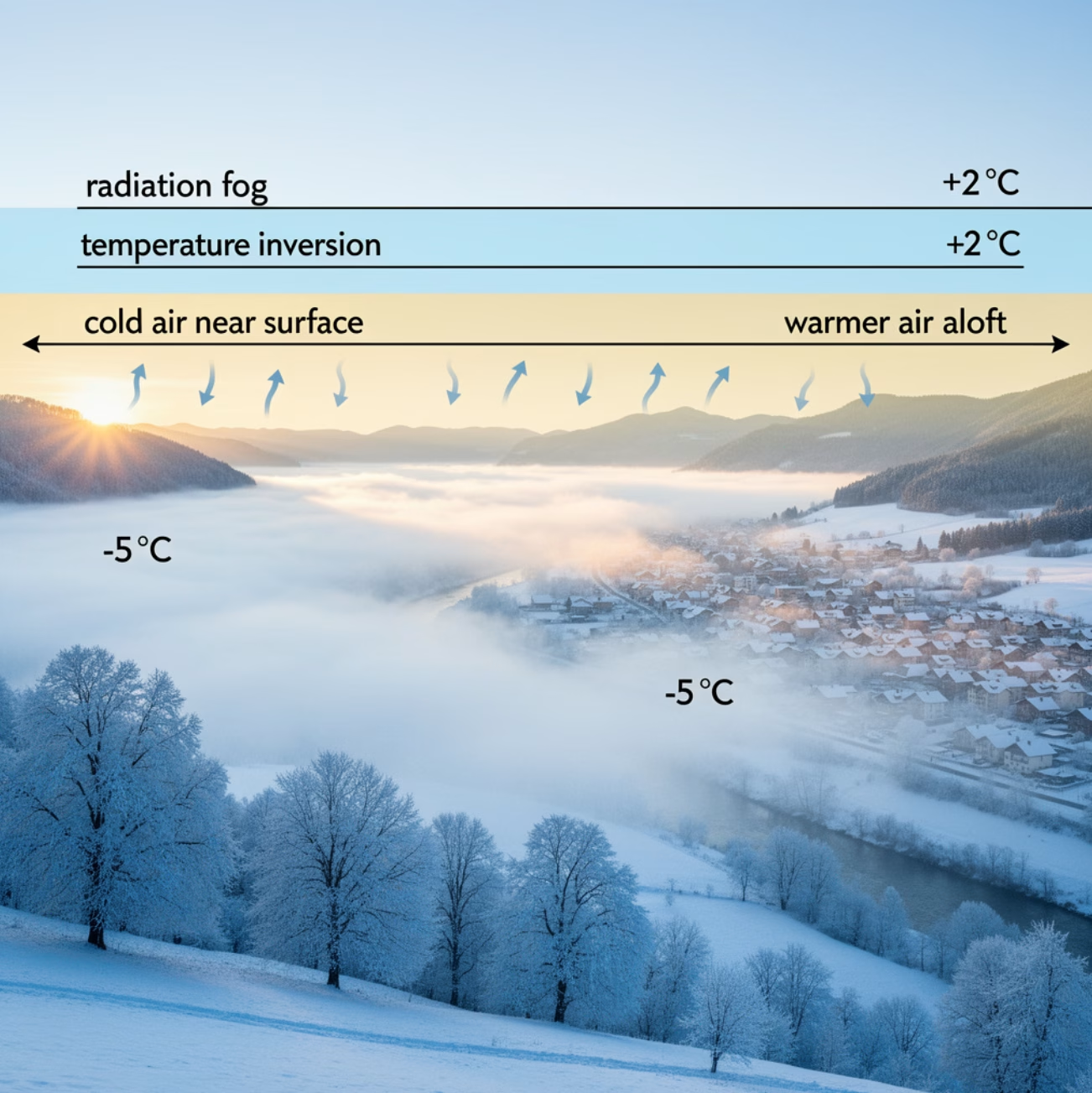
सर्दियों में Kohra क्यों:ठंडी सुबह जब दुनिया misty blanket में लिपट जाती है, वो magic fog है। सर्दियों में ज्यादा क्यों? Simple science: cold air कम water vapour hold कर पाती। Warm moist air मिलने पर tiny droplets बनते suspended रहते।
सर्दियों में कोहरा क्यों ज्यादा दिखता? इसके पीछे का पूरा विज्ञान
Fog क्या है? Cloud on ground
Fog = visibility <1km की cloud। Water vapour condense होकर 5-10 micron droplets बनते। बस dew point पर पहुँचते ही। सर्दियों में ये process perfect।
मुख्य कारण: Cold Air का कम Capacity
Saturation Vapor Pressure:
Cold air saturate हो जाती जल्दी। Night cooling से dew point touch।
सर्दियों के 5 प्रमुख Fog Types
1. Radiation Fog (सबसे आम)
- Clear night, calm winds (<3km/h)
- Ground radiates heat, air cool
- Inversion layer trap करती moisture
- Valley bottoms में pool
Formation Process:
textSunset → Ground cooling → Air near surface cools →
Relative humidity 100% → Droplets form → Fog
2. Advection Fog
Warm moist air cold surface पर बहती। Sea breeze या river valleys।
3. Inversion Fog
Temperature inversion moisture trap। IGP का classic case।
4. Steam Fog
Cold air warm water पर। Arctic/Aravali winters।
5. Ice Fog
-20°C पर ice crystals। Rare India में।
Dew Point Depression: Fog का Thermometer
textAir Temp - Dew Point = Depression
<2.5°C = Fog likely
0°C = Dense fog imminent [web:134]
Indian Winter Fog: IGP Special
Indo-Gangetic Plain क्यों worst?
- Valley topography traps cold air
- High pollution = CCN (condensation nuclei)
- Calm winter winds, no mixing
- Biomass burning + vehicles = pollution soup
- AO negative phase anticyclone
Visibility Impact Table
| Fog Density | Visibility | Road Speed Safe | Aviation Impact |
|---|---|---|---|
| Thin | 800-1000m | Normal | Delays possible |
| Moderate | 400-800m | 40-60km/h | Holding pattern |
| Dense | 100-400m | 20-40km/h | Diversions |
| Very Dense | <100m | <20km/h | Grounded |
Fog Life Cycle: 4 Stages
- Initial Cooling: Long night radiative loss
- Saturation: Dew point touch, droplets nucleate
- Growth: Droplet collision-coalescence
- Dissipation: Solar heating, turbulence mixing
Dissipation Factors (सुबह कोहरा क्यों छटता?)
- Sunrise insolation >10W/m²
- Wind >5km/h mixing
- Pollution dispersal
- Temperature rise >3°C
Global Fog Hotspots Comparison
| Region | Fog Days/Year | Type | Pollution Factor |
|---|---|---|---|
| IGP India | 30-60 | Radiation | Very High |
| Po Valley | 40-70 | Inversion | High |
| London | 20-40 | Advection | Medium |
| California | 100+ | Coastal | Low |
Safety Science: Fog Hazards
Road: 70% accidents low visibility। Reaction time doubles।
Aviation: CAT III ILS needed <50m। Diversions cost millions।
Rail: 30km/h speed limit dense fog।
Climate Change Impact
Warming से fog days कम, लेकिन extreme events बढ़े। Pollution + moisture = toxic smog।
Winter Fog FAQs
1. कोहरा कब maximum?
Pre-dawn 4-7AM। Long nights best।
2. Pollution का role?
CCN बनते, droplets ज्यादा। लेकिन साफ air भी fog बनाती।
3. घर में fog affect?
Humidity rise, asthma trigger। Windows condense।
4. Delhi का record?
1912 में 18 days continuous।
5. Fog vs Mist अंतर?
Fog <1km, mist >1km visibility।













Leave a comment